Introduction
Floor fitting requirements often differ between new builds and older homes. New properties usually provide level subfloors, consistent room dimensions, and modern insulation, which can simplify installation and support a wider choice of materials. Older homes, however, may present uneven substrates, historic floor structures, and higher moisture variation, all of which can affect preparation and product selection. Understanding these contrasts helps set realistic expectations for timescales, costs, and performance. Guidance from authoritative sources such as the NHBC can also clarify standards that apply to new-build construction and handover conditions.
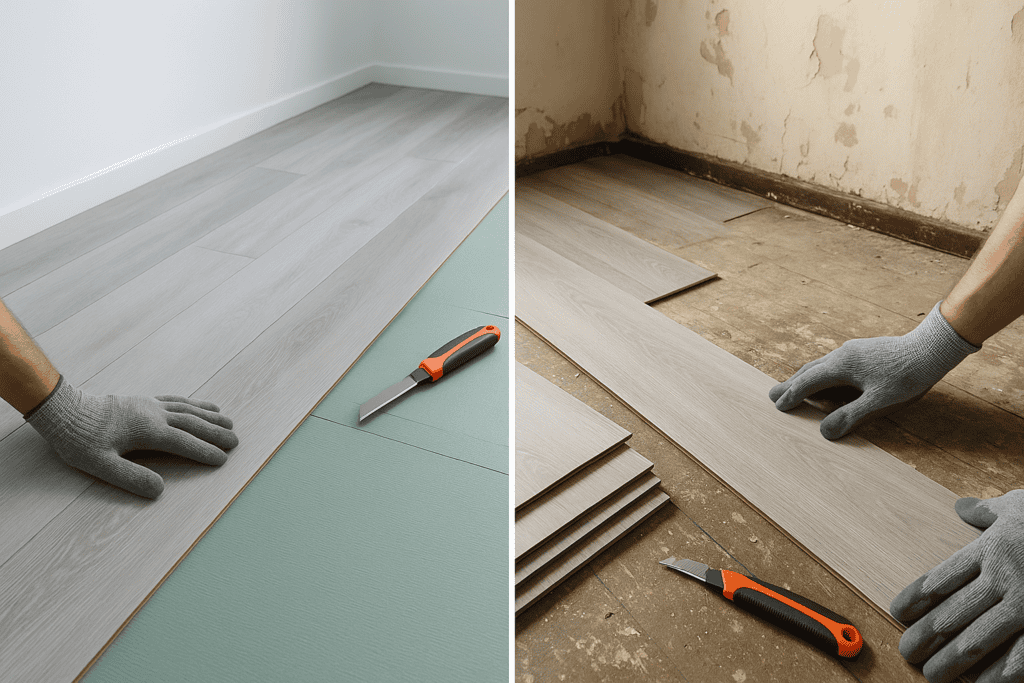
Key structural differences that affect floor fitting
Structural movement and build tolerances often create the clearest differences between new builds and older homes. New properties tend to use engineered joists, concrete screeds, and standardised spans, which usually produce predictable deflection (how much a floor bends under load). That consistency supports tighter fitting tolerances and reduces the risk of gaps opening after installation.
Older homes often rely on suspended timber floors with irregular joist spacing, historic repairs, and localised sagging. Those conditions can cause bounce, squeaks, and uneven load transfer, which affects how well click systems lock and how adhesives bond. In period properties, previous alterations may also leave mixed substrates within one room, such as timber meeting concrete, which changes preparation requirements and can influence underlay choice.
Moisture behaviour differs as well. Modern damp-proof membranes and controlled ventilation usually limit moisture migration in new builds, while older walls and subfloors may manage moisture through breathability. That contrast can affect the suitability of impermeable finishes and the need for acclimatisation. For practical guidance on assessing subfloors and selecting compatible installation methods, consult Floor Fitters Norfolk.
Subfloor types and preparation in new builds
New builds usually present one of three subfloor types: concrete slab, sand and cement screed, or timber-based panels such as oriented strand board (OSB) laid over joists. Each substrate needs a specific preparation method, even when the surface appears flat. Installers should confirm the subfloor specification from the build pack and check that the substrate meets the flooring manufacturer’s tolerances for flatness, strength, and dryness.
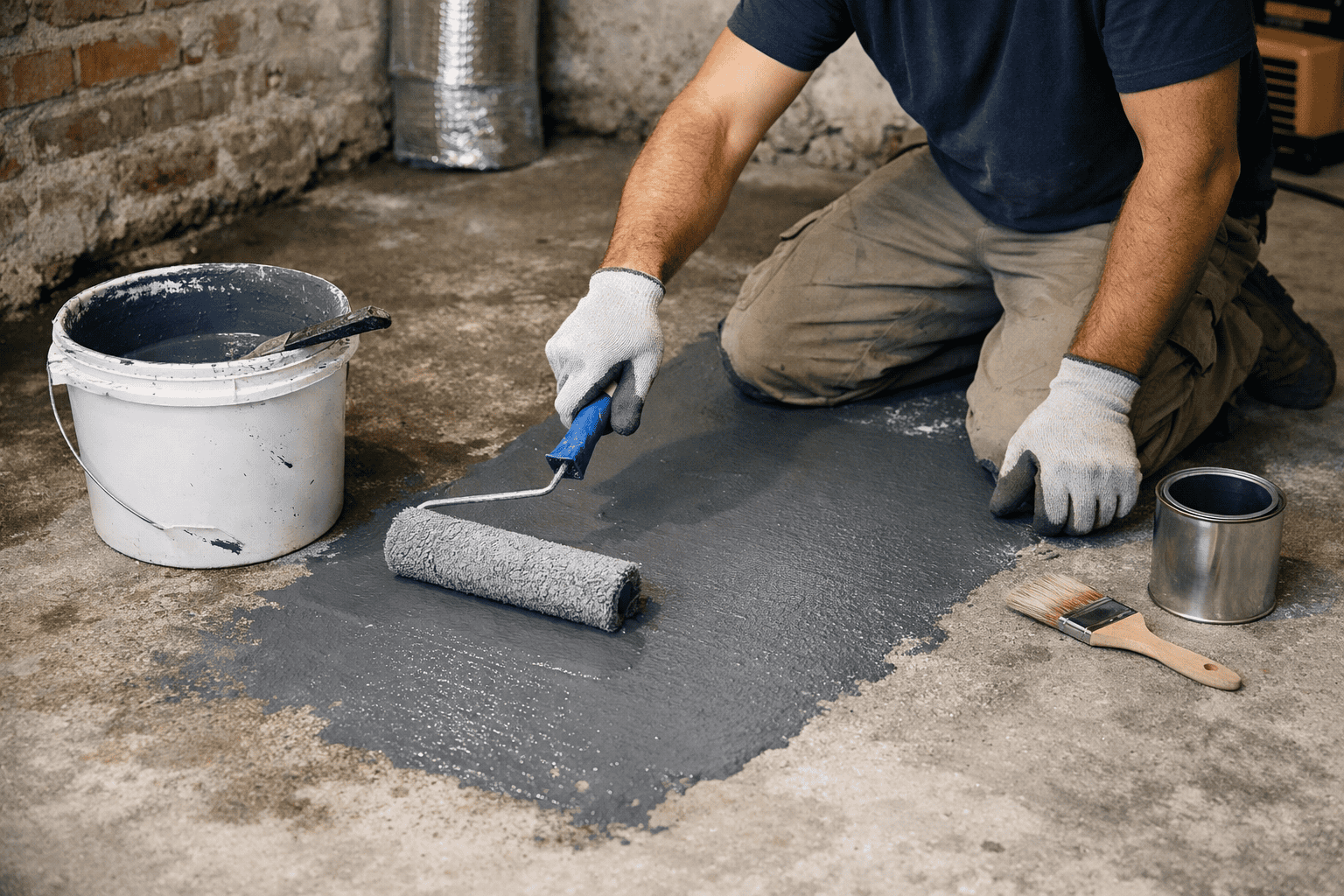
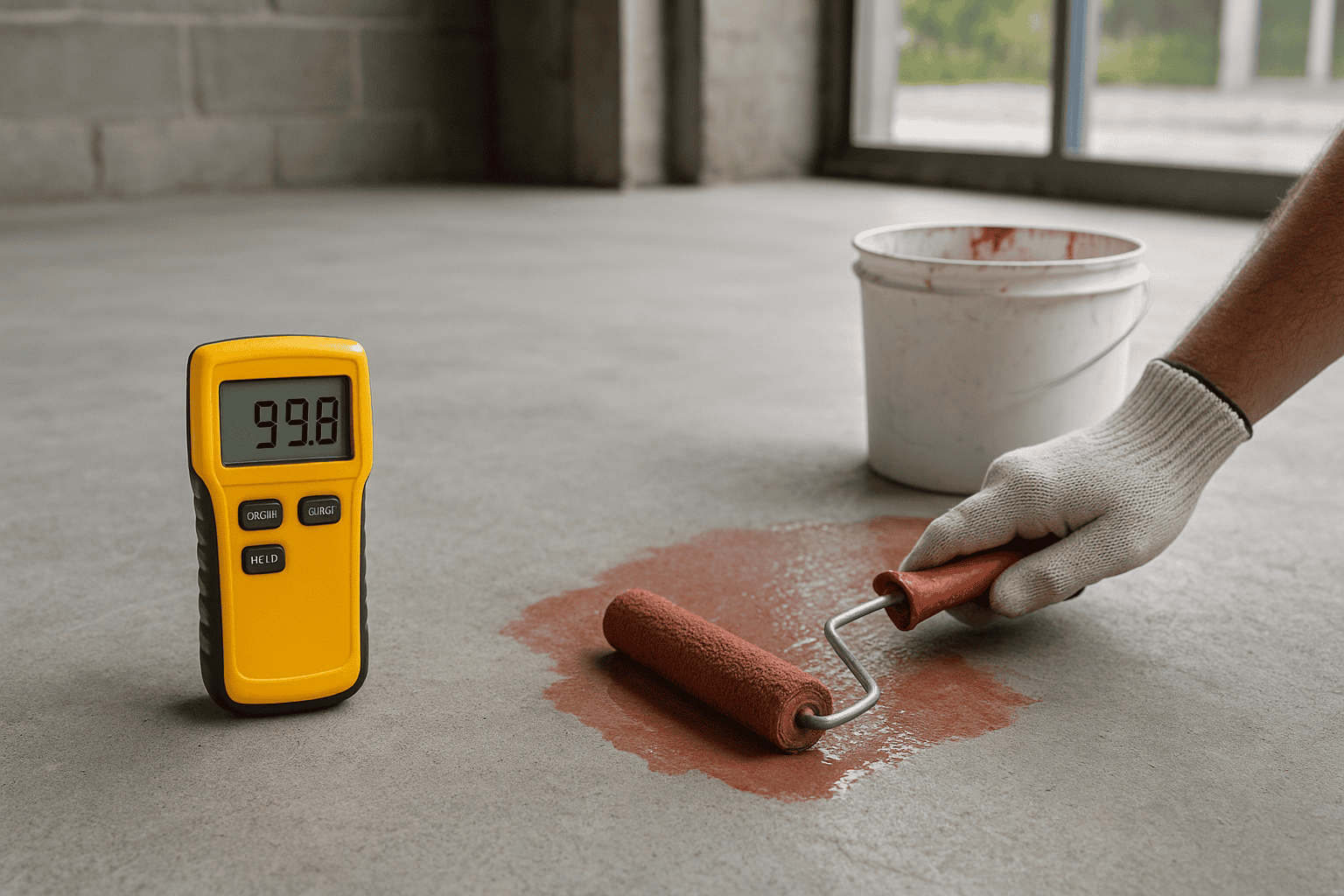
Concrete and screed subfloors often arrive with residual construction moisture. A moisture test should confirm suitability before any adhesive, underlay, or floor covering goes down. Many manufacturers specify moisture limits in relative humidity (RH) measured in situ. Guidance from the British Standards helps set expectations for moisture testing and subfloor readiness. Where readings exceed limits, a surface-applied damp proof membrane (DPM) may be required, followed by a compatible smoothing compound to achieve the correct finish.
Timber subfloors in new builds can include engineered joists and factory-made panels. Even with modern materials, preparation still matters. Fixings should sit flush, joints should feel tight, and the deck should not squeak under footfall. Any movement can transfer through to brittle finishes such as ceramic tiles or cause click systems to separate over time. Installers often use a levelling compound designed for timber substrates when minor undulations exceed tolerance.
Underfloor heating also influences preparation. Screeds may need commissioning and controlled drying before installation, while timber systems require careful selection of underlay and floor type to manage heat transfer and expansion. Manufacturer instructions should take priority, including acclimatisation times and perimeter expansion gaps, as these details often determine long-term stability.
Assessing and remedying issues in older homes
Older homes often hide defects that only become clear once the existing floor covering comes up. A competent assessment starts with a visual check for cracking, staining, insect damage, and signs of past leaks. Installers should then measure flatness and level across the room, since dips and crowns can cause hollow spots, squeaks, and premature wear. Where the substrate varies between rooms, each area needs its own checks rather than assumptions based on a single test point.
Moisture remains a common cause of failure in period properties. Solid walls, suspended timber floors, and blocked air bricks can trap damp and raise humidity at floor level. Reliable testing should match the substrate type, with results compared against the flooring manufacturer’s limits. Guidance from British Standards helps set expectations for moisture and installation conditions, while manufacturer data sheets confirm the acceptable range for each product and adhesive.
Remedial work often focuses on stabilising the structure before any smoothing takes place. Loose boards, damaged joists, and inadequate fixings can create movement that no levelling compound can solve. Carpenters may need to re-fix boards, add noggins (short timber blocks that stiffen joists), or replace decayed sections. Once the base feels rigid, installers can address surface defects with plywood overlays, repair mortars, or smoothing compounds selected for the substrate and expected loads.
Older homes also demand careful planning around thresholds and skirting lines. Previous alterations can leave uneven door heights and irregular edges, which affects expansion gaps and trim choices. A dry run with accurate room measurements reduces waste and avoids forced cuts. When the property includes underfloor heating retrofits, installers should confirm heat output, warm-up cycles, and compatible adhesives, since older structures can respond differently to temperature change.
Material selection and compatibility with each property type
Material choice needs to match how each property behaves. New builds often suit engineered timber and click-fit laminate because stable, uniform subfloors reduce the risk of uneven joints. Even so, installers should confirm residual moisture in screeds before fitting timber or laminate, since trapped moisture can cause cupping and edge swelling. Guidance from the British Gypsum technical advice pages can help when the build uses gypsum-based screeds, which need compatible primers and adhesives. Underfloor heating also calls for products rated for heat, plus careful acclimatisation and controlled commissioning.
Older homes usually demand a more cautious approach. Solid wood can work well, yet wider boards may react to seasonal humidity swings, so narrower formats or engineered boards often perform better. Natural stone and large-format tiles can crack if the structure flexes, which makes decoupling membranes and movement joints essential. Where breathability matters, such as suspended timber floors, vapour-closed finishes can trap moisture and encourage decay; breathable underlays and finishes reduce that risk. Product selection should also reflect existing thresholds and skirtings, since thicker build-ups can create door clearance issues and awkward transitions between rooms.

Installation methods, sequencing, and typical timeframes
Installation methods and sequencing differ most at the point where the site hands over to the fitter. New builds often allow a planned programme with clear access, while older homes may require staged work around occupied rooms and existing services. In both cases, installers should follow the flooring manufacturer’s instructions and keep records of site conditions.
Typical sequencing
- Site readiness: confirm the building is weather-tight, heating works, and wet trades have finished.
- Acclimatisation: store flooring in the fitting area for the period stated by the manufacturer, with stable temperature and humidity.
- Setting out: establish datum lines, check door clearances, and plan thresholds and transitions.
- Installation: fit underlay or adhesive system, install the floor, then complete trims and thresholds.
- Handover: clean, protect the surface, and provide care guidance and warranty details.
Method choices that affect programme
Floating systems, such as click-fit laminate and many engineered boards, usually install faster because they avoid adhesive curing. Glue-down floors can deliver a firmer feel and better acoustic control, yet adhesives add curing time and require stricter control of temperature and ventilation. Nail or staple fixing over timber subfloors can suit solid timber, although preparation and fixing patterns can extend labour time.
Typical timeframes
As a guide, a straightforward new-build room often takes one day for a competent team, excluding acclimatisation. Whole-house programmes commonly run three to five days, depending on room count, stair details, and trim work. Older homes often take longer because fitters must work around irregular layouts, repair sections as they arise, and manage dust control. Allow an extra one to three days for uplift, minor carpentry, and making good.
For sequencing with other trades, NHBC Technical Guidance provides useful benchmarks for new-build completion stages.
Costs, disruption, and compliance considerations (including Building Regulations)
Costs often differ less by the floor covering and more by the preparation each property needs. New builds can reduce labour because the programme usually allows clear access and predictable substrates. Even so, fitters may need to wait for screeds to dry to the flooring manufacturer’s limits, which can add hire costs for dehumidifiers and delay follow-on trades. Older homes often carry higher preparation costs, since levelling, local repairs, and safe removal of existing finishes can extend time on site.
Disruption also varies. A new build typically permits continuous working, fewer furniture moves, and simpler waste handling. By contrast, occupied older homes may require phased fitting, dust control, and careful protection of adjacent finishes, which can lengthen the schedule.
Compliance affects both property types. Building Regulations in England and Wales can apply where work alters structure, fire performance, sound insulation, or thermal performance, particularly in flats and conversions. Fitters should check Part E (Resistance to the passage of sound) and Part B (Fire safety) where relevant, and confirm any underfloor heating installation meets Part L (Conservation of fuel and power). Guidance from the UK Government Approved Documents helps clarify when notification or certification may apply.
FAQ
Q: Does a new build always provide a flat, dry base for flooring?
A new build often provides a more uniform substrate, yet it still needs checks. Screeds can retain moisture beyond the programme date, and timber-based panels can show minor lipping at joints. A fitter should confirm flatness and moisture levels against the flooring manufacturer’s limits before installation.
Q: Can the same floor covering suit both new builds and older homes?
Many products work in both settings, although suitability depends on the subfloor condition and expected movement. Engineered timber often tolerates change better than solid timber, while rigid finishes may highlight unevenness. Always follow the product guidance from the manufacturer, such as Quick-Step for laminate and vinyl systems.
Q: How long should acclimatisation take?
Acclimatisation means storing the flooring in the room so temperature and humidity stabilise. The correct period varies by product, so the fitter should follow the manufacturer’s instructions rather than a fixed rule. Heating should run at normal living levels during this period.
Q: Do older homes always need extra preparation?
Older properties often need more remedial work, although not in every case. Previous alterations, localised repairs, and hidden damp can create uneven or unstable areas. A pre-start survey reduces surprises and helps set realistic budgets and timeframes.
Q: Will underfloor heating change the installation approach?
Yes. Underfloor heating requires compatible materials, controlled heat-up and cool-down cycles, and careful selection of underlay or adhesive. Installers should follow the heating supplier’s commissioning guidance and the flooring manufacturer’s limits for surface temperature.
Q: Which standards should a fitter follow?
For timber-based floors, BSI publishes relevant British Standards, including BS 8203 for resilient floor coverings. Building work should also align with current Approved Documents where applicable.