Retail flooring must withstand constant foot traffic, resist wear, and remain safe and presentable under daily commercial use. Material choice depends on load, slip resistance, cleaning demands, and the visual standard expected across sales areas, entrances, stock rooms, and fitting spaces. This article explains which flooring types suit high-footfall retail settings, which performance features matter most, and how routine cleaning and maintenance help preserve appearance and service life.
Key takeaways
- Specify traffic load, trolley use and entrance conditions before choosing any retail flooring.
- Dense commercial vinyl, porcelain tile and resin perform well when subfloors are level.
- Use higher slip resistance at entrances and food service points, not across every zone.
- Add more underfoot comfort at tills and service counters to reduce staff fatigue.
- Choose low-sheen, mid-tone, lightly varied finishes to hide scuffs, dust and scratches.
- Prioritise dry soil removal, then damp mop with the approved cleaner dilution.
- Base repairs and replacements on inspection records, especially at joints, edges and queue lines.
Choose flooring that can handle constant foot traffic, trolleys and entrance debris
Specify the traffic load, wheel use and entrance conditions before you choose any retail floor. Footfall alone does not wear a surface evenly; trolley wheels, grit, moisture and cleaning chemicals often cause faster damage than shoes.
Dense commercial vinyl, porcelain tile and resin systems cope well with constant use when the subfloor is level and the joints are sealed properly. Near entrances, slip resistance needs equal attention, since rainwater and tracked-in dirt reduce grip and grind away surface finishes. In these zones, safety flooring often makes more sense than standard smooth vinyl because it keeps traction even when wet.
Source: HSE — Slips on Wet and Contaminated Floors (2024) | iHasco — HSE Slip Cost Data (2024)
Entrance matting should form part of the flooring specification, not an afterthought. Good mat wells trap grit before it reaches the sales floor, which cuts scratching, lowers cleaning time and helps the main floor keep its finish for longer. Match the material to each area’s use, then set a cleaning routine that removes abrasive dirt daily and deals with spills before they stain or seep into joints.
Match slip resistance, comfort and noise control to each retail zone
Slip claims, staff fatigue and customer dwell time often rise or fall with the floor in each zone. Match the surface to the task: use higher slip resistance at entrances and food service points, add more underfoot comfort at tills and service counters, and avoid hard finishes where noise builds.
Retail spaces place different demands on the same fit-out. A cashier standing for hours needs more resilience underfoot than a short-stay display area. Fitting rooms and premium sales areas benefit from quieter finishes, while back-of-house routes may need a tougher, easier-clean surface. This guide to the right commercial flooring can help narrow the specification.
| Flooring Type | Best Retail Zone | Slip Resistance | Noise Control | Maintenance Load |
|---|---|---|---|---|
| Safety Vinyl (enhanced grip) | Entrances, food aisles | ✅ High (wet-rated) | ⚠️ Moderate | Low |
| Luxury Vinyl Tile (LVT) | General sales floor | ⚠️ Moderate | ⚠️ Moderate | Low — fastest-growing UK commercial segment (6.12% CAGR) |
| Porcelain Tile | Wet-prone / food zones | ✅ High (if textured) | ❌ Poor | Medium |
| Resin / Epoxy | Back-of-house, stockrooms | ✅ High | ❌ Poor | Low |
| Carpet Tile | Fitting rooms, premium areas | ✅ High (dry zones) | ✅ Excellent | High |
Source: HSE — Slips and Trips in Retail (2024) | Mordor Intelligence — UK Floor Covering Market (2025)
Alternatives still suit the right zones. Porcelain tile works in wet-prone areas if acoustics are controlled elsewhere. Luxury vinyl tile can soften noise and improve comfort in sales areas, though it needs the right wear layer for busy routes. Carpet tiles work well in quieter sections such as fitting rooms or lounges, but they are less suitable near entrances, spill-prone counters and areas needing frequent wet cleaning.
Use finishes, colours and layouts that hide wear without looking tired
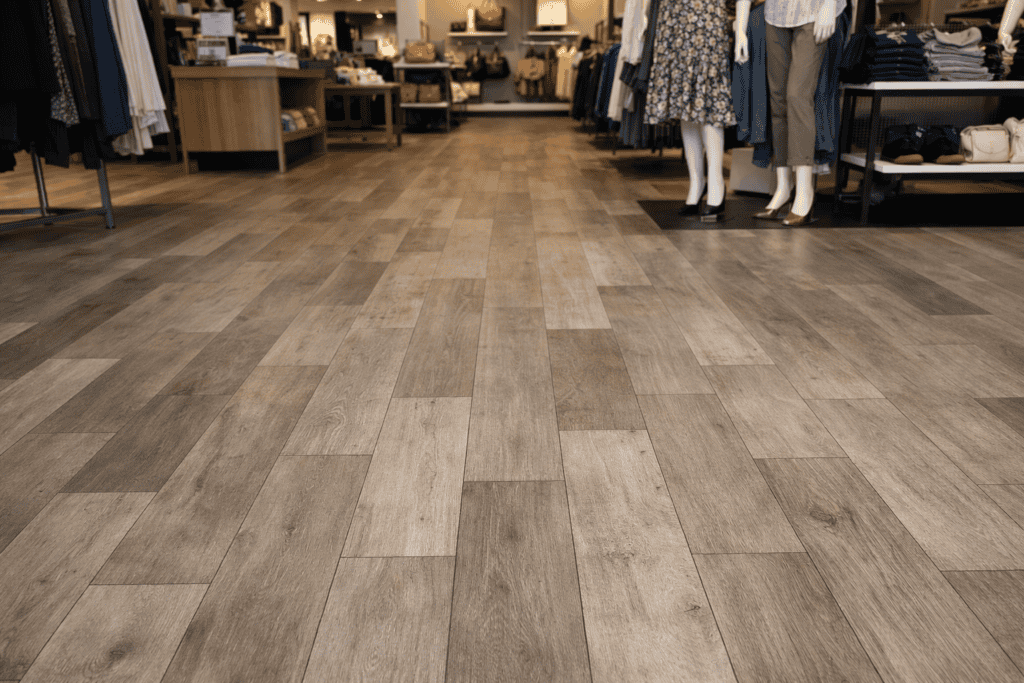
Light colours, large plain areas and straight-through seams show scuffs faster than most retail teams expect. Use a low-sheen finish, a mid-tone colour and a lightly varied pattern so dust, heel marks and minor scratches stay less visible between cleaning cycles.
Matte and satin finishes cut glare from shop lighting, while mottled, stone-effect and wood-grain designs hide abrasion better than solid colours. In resilient floors, LVT Flooring gives strong control over this, with plank and tile formats that soften wear lines and make local replacement easier if damage appears.
Layout affects how quickly a floor looks worn. Staggered joints, directional changes between zones and border details spread traffic marks instead of concentrating them into obvious paths. Dark charcoal can hide dirt but often shows dust and cleaning residue under bright LEDs, so mid-greys, warm browns and mixed mineral tones tend to hold their appearance longer.
When finish, colour and layout work together, the floor keeps a cleaner, newer look with less deep cleaning and stays presentable through busy trading hours.
Set a cleaning and maintenance schedule that protects appearance and lifespan
Cleaning frequency affects retail flooring life as much as the product itself. Set a written schedule by zone, so entrances, tills, fitting rooms and stock routes get the right care.
Prioritise dry soil removal. Grit damages finishes and joints, so vacuum or dust mop busy areas several times a day, then damp mop with the manufacturer’s approved cleaner at the correct dilution. For machine cleaning, match pad type, brush pressure and water use to the surface to remove soil without forcing moisture into seams.
Inspect floors weekly. Check for failed sealant, lifting edges, stained grout, polish build-up and scratches near thresholds and display moves. Keep a maintenance log with cleaning dates, products, repairs and photos of wear points. Guidance from the Contract Flooring Association and the manufacturer should set the baseline.
Common mistakes shorten floor life fast: over-wetting, using strong degreasers on the wrong finish, skipping entrance mat cleaning and burnishing too often. Keep staff training simple, review results each month, and adjust the schedule for weather, trading peaks and layout changes.
Plan repairs, replacements and installation timing to reduce disruption on the shop floor
Disruption falls, repair costs stay lower and the sales floor stays consistent when flooring work follows wear patterns instead of visible failure. In retail, damaged joints, lifted edges and cracked tiles spread fast under trolley traffic, cleaning machines and daily footfall.
Base replacement plans on inspection records, not guesswork. Check entrances, queue lines, gondola ends, service counters and back-of-house thresholds more often than low-traffic areas. Manufacturer guidance sets repair limits, adhesive cure times and temperature conditions, so installation dates should match product specifications and trading needs.
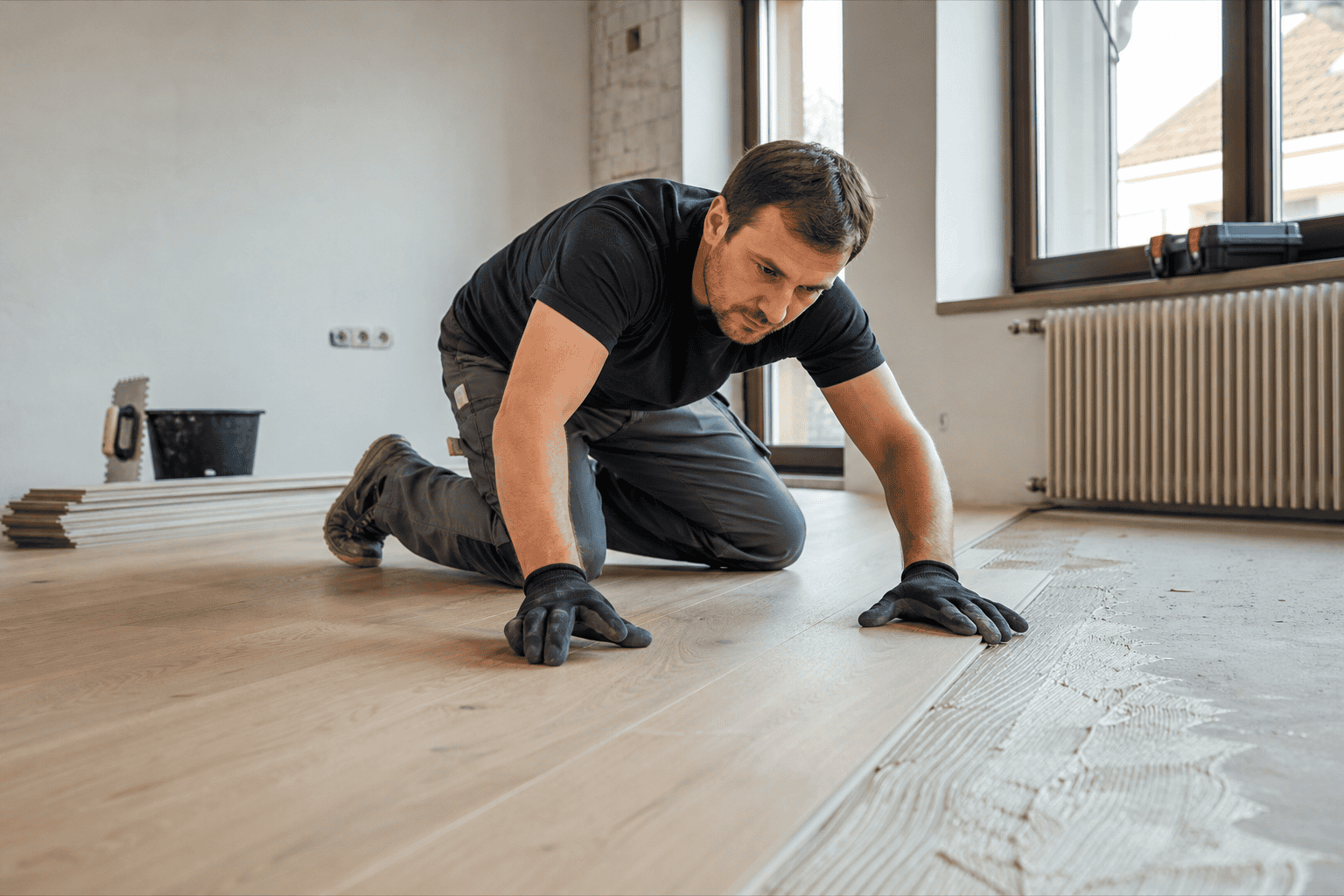
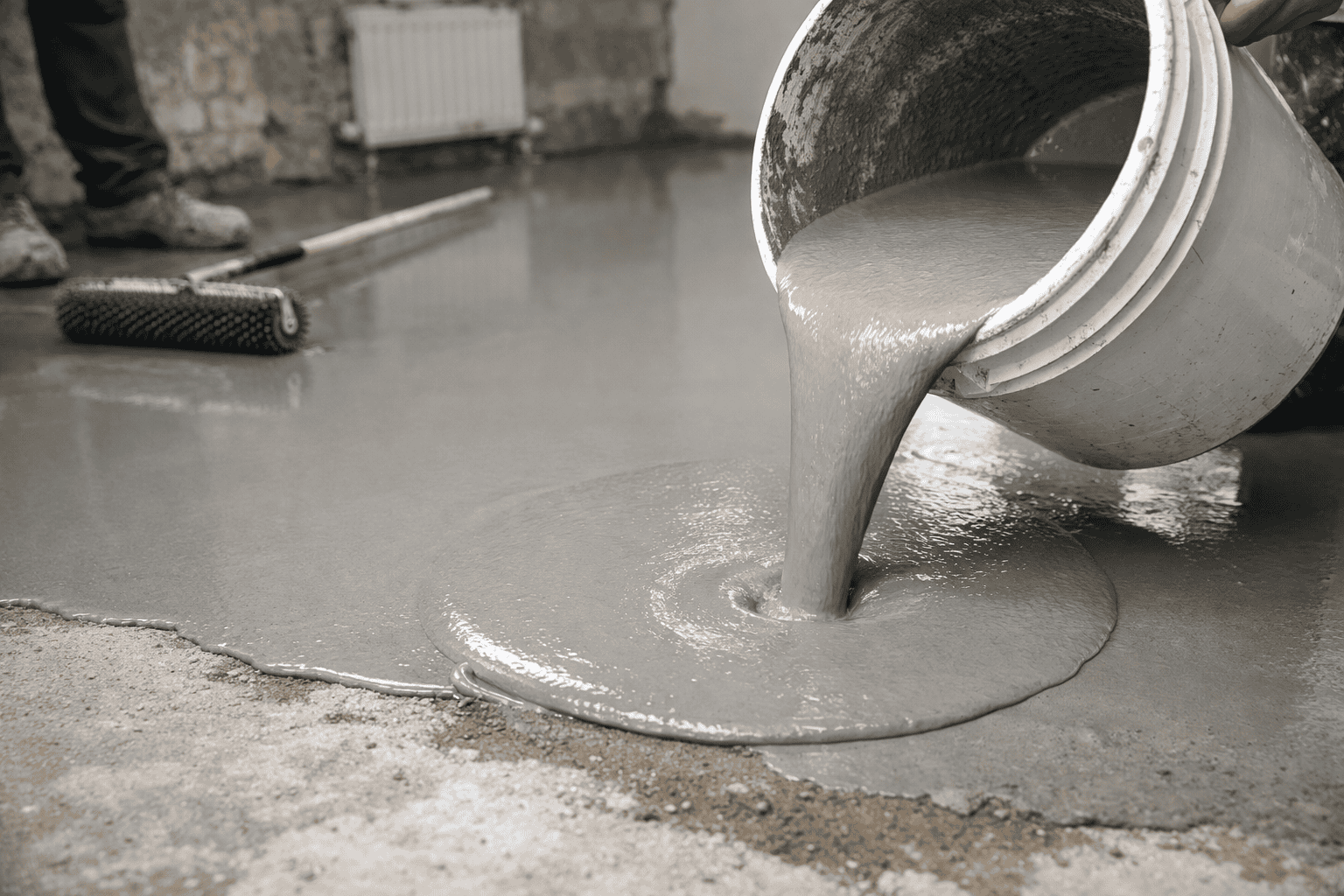
Schedule noisy or high-odour work outside opening hours, and use phased installation where the layout allows it. Fast-track systems shorten downtime only when the subfloor is dry, level and ready before materials arrive. Forbo, Interface and Tarkett publish installation and maintenance guidance for realistic closure windows.
Keep spare material from the original batch and record product codes, dye lots and layout drawings. That helps local repairs match and avoids replacing a wider area to fix colour shift. If trading cannot stop, isolate work zones, protect adjacent finishes and sequence access so cleaning, merchandising and deliveries continue safely.
Frequently Asked Questions
Which flooring materials perform best in high-footfall retail environments?
Porcelain tile, luxury vinyl tile (LVT), polished concrete and commercial-grade rubber perform best in high-footfall retail spaces. Porcelain resists wear and moisture well. LVT handles impact and is easier to replace, while polished concrete and rubber suit entrances, aisles and service areas where durability and slip resistance matter most.
How can retail flooring be chosen to balance durability, appearance and slip resistance?
No single flooring type suits every retail area. Choose by zone: entrances and tills need the highest slip resistance and wear rating, while display areas can give more weight to appearance.
Check abrasion class, slip rating, cleaning needs and stain resistance together. Then match colour, texture and finish to the brand so the floor stays safe, durable and presentable under heavy footfall.
What maintenance routine helps retail flooring stay clean and presentable under heavy daily use?
Use a daily routine of dry dust control, prompt spot cleaning and scheduled damp mopping with the correct product. This removes grit before it scratches the surface and stops spills from setting. Add entrance mat cleaning, frequent checks in busy zones and periodic machine cleaning to keep the floor presentable.
How often should retail flooring be repaired, refinished or replaced in busy commercial spaces?
Traffic level and visible wear should set the schedule. Inspect busy retail flooring monthly, repair damage as soon as it appears, and refinish worn surfaces before the finish fails. Replacement is usually needed only when wear is widespread, safety drops, or repeated repairs no longer hold up.
What factors affect the long-term cost of flooring in a high-traffic retail setting?
Most long-term flooring costs come after installation. Wear rate, cleaning frequency, stain resistance, slip performance, and repair needs all shape spend over five to ten years. Materials that resist scuffs, moisture, and heavy trolley traffic usually cost more upfront but reduce maintenance, downtime, and early replacement.