Safety flooring is a hard-wearing floor finish designed to reduce slip risk in busy or wet areas. It uses textured surfaces and durable materials to improve grip underfoot, even when water, grease, or cleaning products are present.
Many businesses choose safety flooring to protect staff and visitors, support hygiene standards, and reduce downtime caused by accidents. It also suits demanding settings such as kitchens, washrooms, corridors, and healthcare spaces, where reliable performance and easy maintenance matter.
Key takeaways
- Safety flooring uses slip-resistant surfaces to reduce falls in wet or greasy areas.
- Many businesses choose safety flooring to meet workplace safety duties and lower liability.
- Textured finishes and embedded aggregates improve grip without relying on temporary mats.
- Seam-welded safety vinyl helps prevent water ingress and supports hygienic cleaning routines.
- Common installations include commercial kitchens, washrooms, healthcare corridors, and entrance zones.
- Correct preparation, adhesives, and professional fitting protect performance and extend service life.
What safety flooring is: definition, materials, and key performance features
Safety flooring refers to a category of floor finishes designed to reduce the risk of slips and falls in areas where moisture, spillages, or contaminants can make surfaces hazardous. Businesses choose safety flooring because it provides predictable traction underfoot while remaining practical to clean and maintain. Unlike standard smooth vinyl or polished surfaces, safety flooring uses a textured or particle-enhanced wear layer to increase slip resistance, even when the floor becomes wet.
Manufacturers produce safety flooring in several material types. Vinyl (PVC) safety flooring remains common in healthcare, education, and commercial kitchens because it offers durability, welded seams for hygiene, and consistent performance. Rubber safety flooring suits entrances, gyms, and transport settings, as rubber provides natural grip and comfort underfoot. Resin systems, such as polyurethane or epoxy, often serve industrial areas because they create a seamless surface and can resist chemicals and heavy traffic. Each option balances comfort, cleaning needs, and resistance to wear.
Key performance features include slip resistance, abrasion resistance, and ease of decontamination. Slip resistance often relates to recognised testing and classification. In the United Kingdom, guidance from the Health and Safety Executive (HSE) supports risk assessment and appropriate control measures for slip risks. Many specifications also reference standards such as BS EN 13845 for resilient floor coverings with enhanced slip resistance, which helps buyers compare products on a consistent basis.
Other features matter in day-to-day use. A well-designed safety floor should resist indentation from equipment, limit water ingress at joints, and maintain grip throughout its service life. Some products also offer acoustic backing to reduce impact noise, which can improve comfort in busy corridors and public areas.
How safety flooring reduces slip risk: slip ratings, surface design, and contaminants
Safety flooring reduces slip risk by combining verified slip performance with surface features that keep traction when conditions change. Many specifications reference slip ratings from recognised test methods. In the United Kingdom, common measures include the Health and Safety Executive (HSE) guidance on floor slip potential and the pendulum test value (PTV), which indicates how a surface performs when wet. Some products also quote the R-rating from DIN 51130, which helps compare performance under oily contamination.
Surface design plays a central role. Textured profiles and embedded particles create micro-roughness that increases friction between footwear and the floor. That structure also helps break the water film that can form on smooth finishes, which often causes sudden loss of grip.
Contaminants still matter, even with a high rating. Water, grease, food debris, dust, and cleaning residues can reduce traction and mask texture. For that reason, businesses match the floor to the expected contamination and set cleaning methods that remove films rather than spread them.
- Wet areas: prioritise strong wet-slip performance and drainage-friendly texture.
- Greasy zones: select surfaces tested for oil resistance and maintain strict degreasing routines.
- Dry but dusty spaces: focus on soil control at entrances and frequent dry cleaning.
Where businesses use safety flooring: sector-specific needs and compliance drivers
Businesses specify safety flooring where routine moisture, spillages, or frequent cleaning increase slip exposure and where audits demand documented controls. Healthcare settings use it in corridors, wards, and washrooms to support infection control regimes while maintaining dependable underfoot grip. Education sites often fit it in kitchens, toilets, and entrance routes, where wet weather and high footfall raise incident risk. Food and drink production and commercial kitchens rely on safety flooring in preparation and wash-down zones, since oils and detergents can reduce traction on standard finishes.
Compliance drivers also shape selection. Employers must manage slip risks under the Health and Safety Executive (HSE) guidance, while many projects align with BSI standards for testing and specification. Facilities teams often request test evidence, cleaning instructions, and warranty terms to satisfy internal governance and insurer expectations.
How to choose and maintain safety flooring: specification, installation, cleaning, and lifecycle value
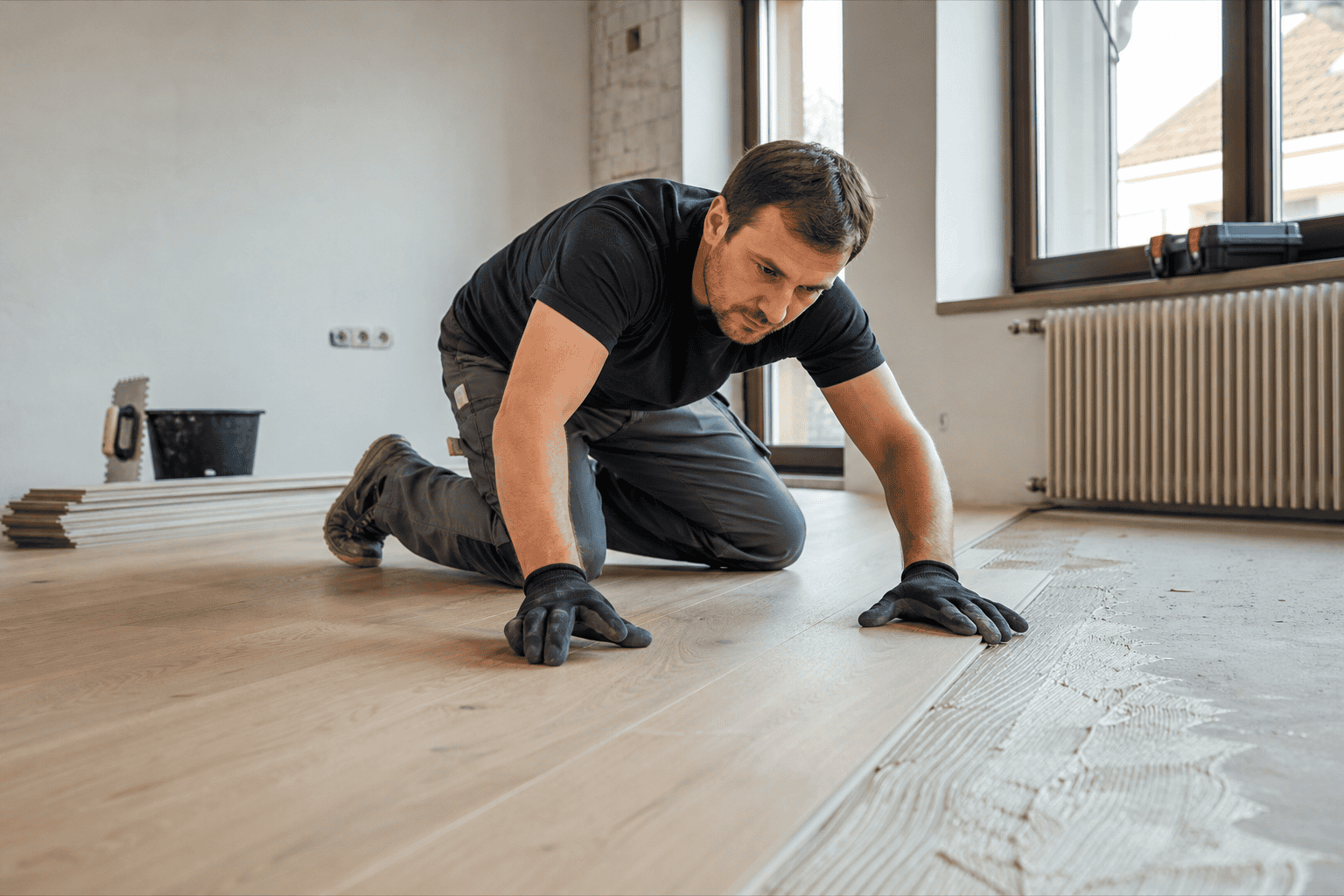
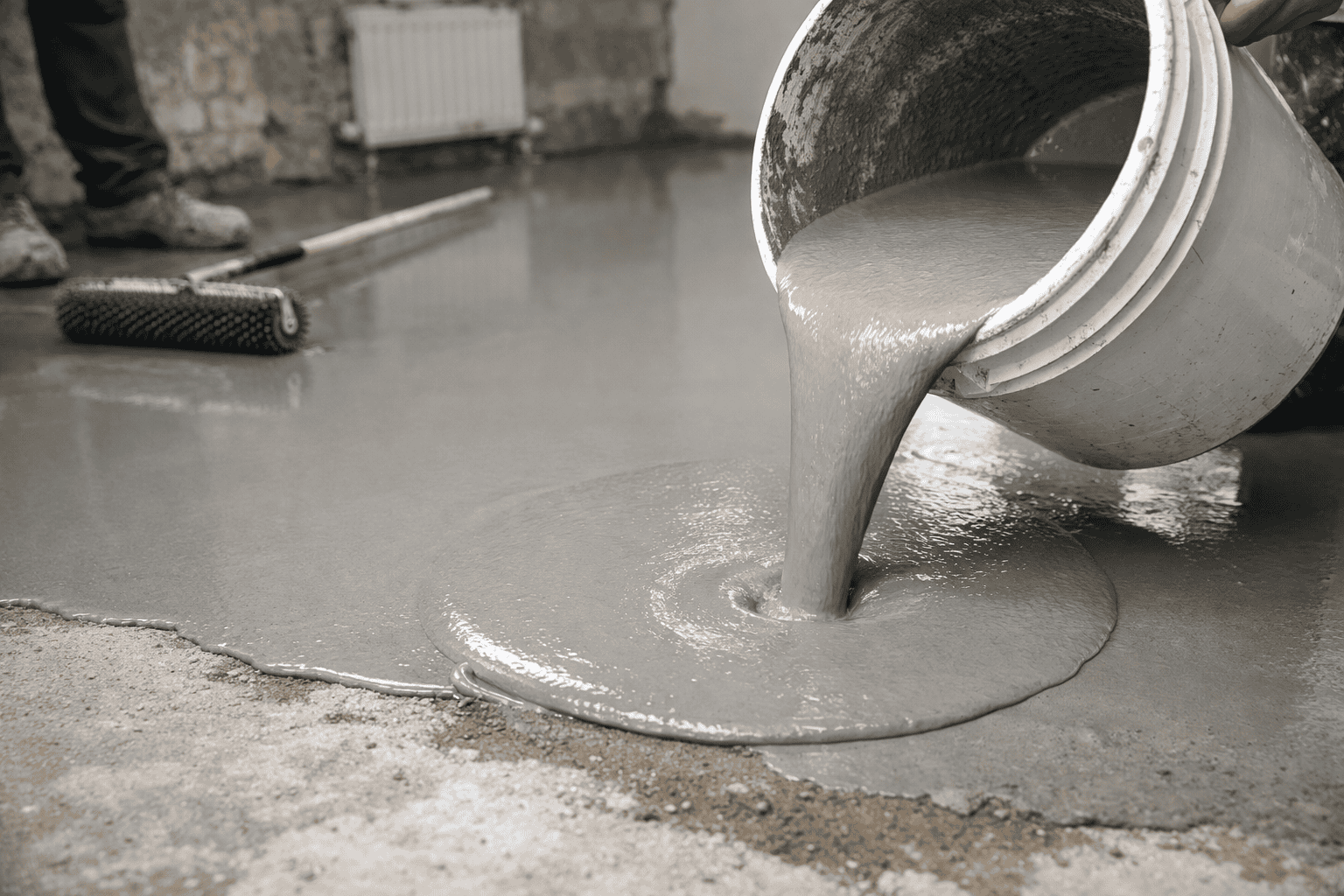
Select safety flooring by matching the slip rating and wear layer to real conditions, including water, grease, cleaning chemicals, and footfall. Confirm test evidence and guidance against HSE slips and trips resources, then specify coving, welded joints, and compatible adhesives to prevent moisture ingress at edges. Installation quality matters, so require a level subfloor, controlled site temperature, and clear curing times before traffic returns.
Maintenance should protect texture without trapping soil. Use a neutral cleaner, correct dilution, and a rotary scrubber or microfibre system suited to the manufacturer’s instructions. Avoid polish build-up unless the product allows it, since coatings can reduce traction. Plan lifecycle value by comparing cleaning time, expected replacement intervals, and disruption costs, not only material price. For project-specific advice and pricing, use Get a Safety Flooring Quote Today.
Frequently Asked Questions
What is safety flooring and how does it differ from standard commercial flooring?
Safety flooring is commercial flooring designed to reduce slip risk, often using textured surfaces and enhanced grip, including when wet. Standard commercial flooring prioritises durability and appearance but may offer limited slip resistance. Safety flooring also tends to use sealed joints and hard-wearing finishes to support hygiene and frequent cleaning.
Which slip-resistance ratings and standards apply to safety flooring in the United Kingdom?
In the United Kingdom, safety flooring slip resistance commonly follows BS 7976 (pendulum test value, PTV) and BS EN 13845 for resilient safety flooring. Many sites also use DIN 51130 (R9–R13) for shod ramps and DIN 51097 (A–C) for barefoot wet areas. Specify ratings to match the risk and cleaning regime.
Which types of businesses benefit most from safety flooring and why?
Businesses with wet, greasy, or high-traffic areas benefit most, including commercial kitchens, food and drink production, healthcare, leisure centres, warehouses, and schools. Safety flooring improves slip resistance, supports hygiene through easy cleaning, withstands heavy use, and reduces accident risk. Many sites also value comfort underfoot and noise reduction.
How does safety flooring reduce slip, trip, and fall risks in wet or greasy areas?
Safety flooring reduces slip, trip, and fall risks by using slip-resistant surfaces that keep grip when water, oil, or grease is present. Textured finishes and embedded particles increase friction underfoot. Many products also include drainage channels to move liquids away and sealed joints to limit pooling, which helps maintain stable footing.
What materials and surface textures are commonly used in safety flooring?
Safety flooring often uses vinyl (PVC), rubber, linoleum, resin systems, or ceramic and quarry tiles. Common surface textures include studded or coin patterns, raised ribs, fine grit or mineral aggregates, embossed profiles, and lightly textured matte finishes. Many products also use cushioned layers to improve comfort and reduce fatigue.
How should businesses clean and maintain safety flooring to preserve slip resistance?
Use a neutral cleaner approved for safety flooring and follow the manufacturer’s dilution and dwell time. Remove grit daily with vacuuming or dust mopping, then damp mop or scrub with a soft brush. Rinse well and dry to prevent residue. Avoid waxes, polishes, bleach, and high-gloss coatings, which can reduce slip resistance. Inspect and deep clean routinely.
What factors affect the cost and lifespan of safety flooring in commercial settings?
Material type, thickness, and slip-resistance rating influence cost. Subfloor condition, preparation, and installation method can raise labour time and price. Footfall levels, wheeled traffic, chemical exposure, and cleaning routines affect wear. Moisture control and correct adhesives reduce failure risk. Strong warranties and planned maintenance often extend lifespan and lower whole-life cost.