Laminate vs LVT: key differences for UK homes
Laminate and luxury vinyl tile (LVT) suit many UK homes, yet the materials behave differently in daily use. Laminate uses a high-density fibreboard (HDF) core with a printed decorative layer and a wear layer on top. LVT uses multiple vinyl layers, often with a rigid or flexible core, plus a protective wear layer. That construction affects moisture tolerance, comfort, and long-term appearance.
Water resistance often guides the choice. Standard laminate can swell if water reaches the core, so kitchens, utility rooms, and bathrooms need careful product selection and tight installation. Some ranges offer improved water resistance, although standing water still presents a risk. LVT resists water well, which makes it a practical option for wet areas and busy entrances. For guidance on moisture and slip considerations, consult the Health and Safety Executive (HSE).
Underfoot feel and noise also differ. Laminate usually feels firmer and can sound hollow without a suitable underlay, particularly on upper floors. LVT tends to feel quieter and slightly softer, which can suit open-plan living. Subfloor preparation matters for both types; unevenness can cause laminate joints to fail and can telegraph through thinner LVT. Many installers follow tolerances set out in BSI standards and manufacturer instructions.
Design and maintenance remain strong for both. Laminate offers convincing wood and stone looks at a competitive price, although deep scratches can prove hard to disguise. LVT often delivers sharper texture and edge detail, and individual planks or tiles can be replaced if damage occurs. Brands such as Quick-Step (laminate and LVT) and Karndean (LVT) publish wear-layer and warranty details that help compare value for UK family homes.
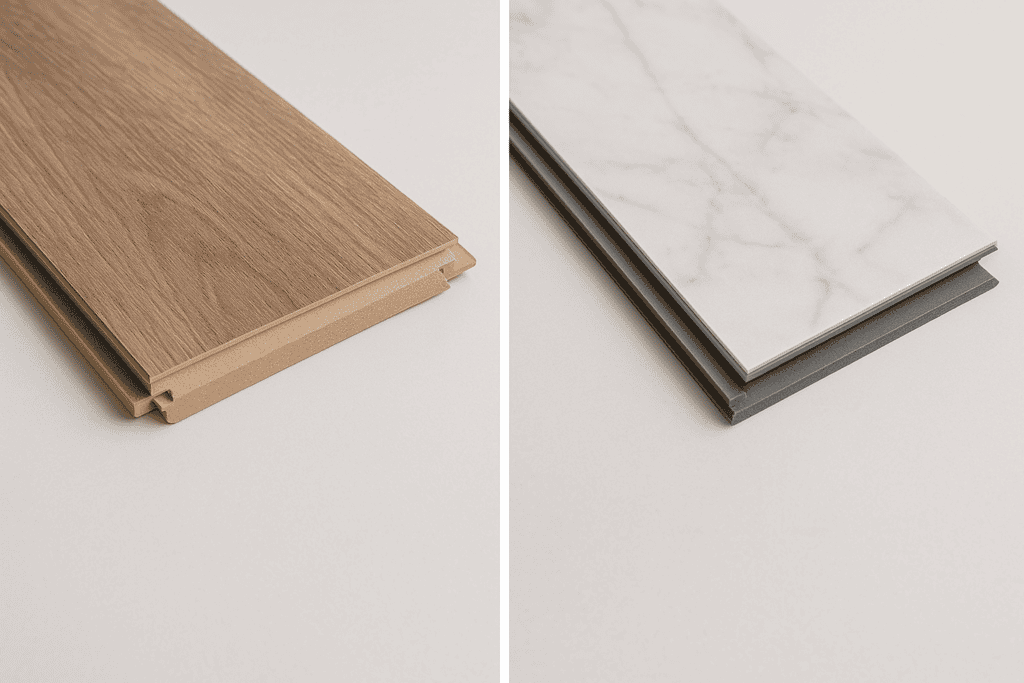
Purchase cost and lifetime value: what you will pay and what you get
Purchase cost varies widely because both laminate and LVT sit in broad product ranges. Entry-level laminate often costs less per square metre than comparable LVT, which can make laminate attractive for larger areas or short-term refurbishments. However, the sticker price rarely reflects the full spend. Underlay, trims, moisture protection, subfloor preparation, and installation time can shift the final figure, particularly in older UK homes with uneven floors.
Lifetime value depends on how well the floor suits the room. In dry, low-traffic spaces, a good-quality laminate can deliver strong value, provided the wear layer matches the expected use and the joints stay protected from spills. Kitchens, utility rooms, and busy hallways tend to favour LVT because it tolerates moisture and temperature changes more reliably. That resilience can reduce repair costs and limit the need for early replacement, which improves value even when the initial outlay is higher.
Installation method also affects cost. Click-fit systems can reduce labour time, yet subfloor flatness still matters. LVT often needs more careful preparation, especially for glue-down formats, because imperfections can telegraph through the surface. When budgets feel tight, it can help to obtain a fixed quotation from a qualified Flooring Contractor who can assess the subfloor and specify the correct build-up for the room.
Warranties can support value, but terms vary. Check wear-layer thickness, domestic versus commercial ratings, and exclusions for moisture or poor preparation. For independent guidance on choosing suitable floor finishes for different rooms, consult NHBC resources on home standards and maintenance. A realistic view of total installed cost, plus expected service life in each space, gives the clearest picture of what you will pay and what you get.
Durability and wear: scratches, dents, and heavy footfall
Durability depends on the wear layer (the clear top coating), the core strength, and how well the floor resists grit. In busy UK homes, tracked-in sand from pavements acts like sandpaper. A good entrance mat and regular vacuuming help both materials, yet the surface chemistry still matters.
Laminate usually resists light scratching well because the wear layer contains hard particles. Even so, sharp grit, pet claws, and chair legs can mark cheaper boards. Once a laminate surface chips or wears through, repairs tend to show, since the printed layer sits beneath the coating. Deep damage often means replacing planks, which is easier with click systems but still disruptive in the middle of a room.
LVT often handles scuffs and day-to-day abrasion well, particularly when the wear layer is thick and the protective coating is strong. Many products also hide fine marks better because the pattern runs through a printed film with realistic texture. However, vinyl can dent under heavy point loads. Furniture feet, castors, and appliances can leave impressions, especially on softer LVT or where the subfloor has minor dips. Using wide felt pads and load-spreading cups reduces that risk.
For heavy footfall, core stability becomes decisive. Laminate’s HDF core can cope with impact, yet edges may swell if water reaches the joints, which then weakens the surface at the seams. LVT, by contrast, tolerates occasional spills well, so entrances, kitchens, and utility rooms often see fewer long-term edge issues. For objective comparison, check abrasion and wear classifications under BSI and the relevant European standards quoted on product data sheets, rather than relying on marketing terms alone.
Water resistance and suitability for kitchens, bathrooms, and utility rooms
Moisture is the main separator between laminate and LVT in wet-prone rooms. Standard laminate uses an HDF core, which can swell if water reaches the joints or edges. Even small leaks from dishwashers, washing machines, or radiators can cause raised seams and permanent distortion. Some “water-resistant” laminate ranges slow water ingress with tighter click systems and edge sealing, yet the core still remains wood-based. For kitchens and utility rooms, laminate can work when spills get wiped quickly and the room stays well ventilated, but the risk profile stays higher than with LVT.
LVT handles water far better because vinyl does not absorb moisture. Many LVT products use waterproof constructions, which makes LVT a safer choice for kitchens, utility rooms, and entrance areas where wet shoes are common. Bathrooms also suit LVT, provided the installer seals edges correctly and manages transitions to baths, showers, and pipework. A stable, flat subfloor matters in these rooms, since standing water can find weak points at thresholds and around fittings.
Installation method affects performance. Click-fit floors rely on tight joints, while glued LVT creates a continuous bond that can reduce pathways for water. A professional installer can advise on the best approach for each room and subfloor type. For guidance on moisture control and ventilation in UK homes, consult NHS advice on preventing damp and mould.
Cleaning routines also differ. Laminate needs a well-wrung mop and prompt drying, since excess water can seep into joints. LVT tolerates damp mopping and most household cleaners, although harsh solvents can damage the wear layer. If the room sees frequent splashes, puddles, or condensation, LVT usually offers greater peace of mind and fewer long-term repair risks.
Comfort and acoustics: warmth underfoot and noise control in flats
Comfort often decides which floor feels right day to day, especially in UK flats where neighbours sit close by. Laminate usually feels warmer underfoot than LVT because the HDF core holds heat better than vinyl. Even so, the subfloor and underlay make the biggest difference. A quality acoustic underlay can reduce the “tap” sound from footsteps and help the room feel less echoey, which suits open-plan living spaces.
LVT can feel cooler, particularly on concrete, yet many households prefer the softer, slightly cushioned feel underfoot. That resilience can reduce fatigue in kitchens and hallways where people stand for longer periods. If the flat has underfloor heating, check the product limits and the combined thermal resistance of the floor and underlay. The Contract Flooring Association (CFA) offers guidance on selecting suitable floor build-ups and installation standards.
Noise control matters in flats because impact sound travels through the structure. Laminate can sound hollow if the subfloor has minor unevenness or if the underlay lacks density. A heavier, purpose-made acoustic underlay often improves performance, yet some buildings require tested systems to meet lease or building rules. LVT, particularly glued-down formats, tends to sound quieter because the floor bonds to the subfloor and reduces vibration. Click LVT can still perform well, although results depend on the underlay and the rigidity of the core.
Before choosing, confirm whether the building specifies an impact sound rating, often shown as ΔLw in decibels. Ask the retailer for test reports for the exact floor-and-underlay combination, not a similar product. That step helps avoid complaints, protects relationships with neighbours, and supports a compliant, comfortable home.

Installation and subfloor requirements: click systems, adhesives, and preparation
Installation often decides the true cost and disruption of a new floor. Both laminate and LVT commonly use click systems, yet the subfloor standard and fixing method differ. A flat, dry base prevents joint stress, rocking boards, and premature wear, so preparation matters as much as the product choice.
Laminate almost always installs as a floating floor with a click joint. Fitters lay an underlay to manage minor imperfections and reduce noise, then leave an expansion gap at walls and thresholds to allow seasonal movement. Concrete subfloors usually need a damp-proof membrane (DPM) beneath the underlay, unless the underlay includes an integral vapour barrier. On timber floors, installers often secure loose boards and address squeaks before laying, as movement can open joints over time.
LVT can install as click (floating) or as glue-down (bonded) using pressure-sensitive adhesive. Click LVT suits faster refurbishments and works well when the subfloor meets tight flatness tolerances. Glue-down LVT takes longer, yet it can feel more solid underfoot and it suits heavy traffic, large open areas, and rooms with strong sunlight where temperature swings can stress floating joints. Many projects require a smoothing compound (also called levelling compound) to create a uniform surface, since thin vinyl can telegraph ridges and trowel marks.
Moisture testing and curing times also shape the schedule. British Standards set expectations for resilient and laminate floor installations; consult BSI guidance and follow the manufacturer’s fitting instructions to protect warranties. When underfloor heating is present, both materials need controlled heat-up cycles and compatible underlays or adhesives, with temperature limits observed to avoid gapping, curling, or adhesive failure.
Maintenance and cleaning: daily care, repairs, and refinishing limits
Daily care for laminate and LVT is straightforward, yet each material has clear limits. Regular vacuuming with a soft brush head removes grit that can mark the surface. A lightly damp microfibre mop suits both floors, provided water does not pool at joints or edges. For routine cleaning, use a pH-neutral floor cleaner and avoid steam mops, abrasive pads, and wax polishes. Steam can force moisture into seams and soften some surface coatings, while wax leaves a film that attracts dirt and makes future cleaning harder.
Laminate needs tighter moisture control during cleaning because the core can react if water reaches the edges. Spills should be wiped up promptly, especially near sinks, external doors, and pet bowls. LVT tolerates damp mopping better, although standing water can still seep into perimeter gaps and affect the subfloor or adhesive on glue-down installations.
Repairs also differ in practice. Laminate boards usually require replacement when damage breaks the wear layer or chips the edge, since fillers rarely match the printed design for long. Click-fit laminate can allow board swaps, yet access often means lifting from the nearest wall, which increases labour. LVT offers more repair options: fitters can replace individual planks or tiles, and some surface scuffs respond to manufacturer-approved cleaners. Glue-down LVT can need heat and careful lifting to avoid subfloor damage, so professional repair often gives the best finish.
Refinishing limits matter for long-term value. Neither laminate nor LVT can be sanded and re-varnished like solid wood, because both rely on a thin decorative layer. When wear becomes widespread, replacement is the realistic route. For care guidance, consult the product instructions and recognised standards such as BSI publications relevant to floor coverings and maintenance.
Design realism and resale appeal: wood and stone looks, trends, and buyer preferences
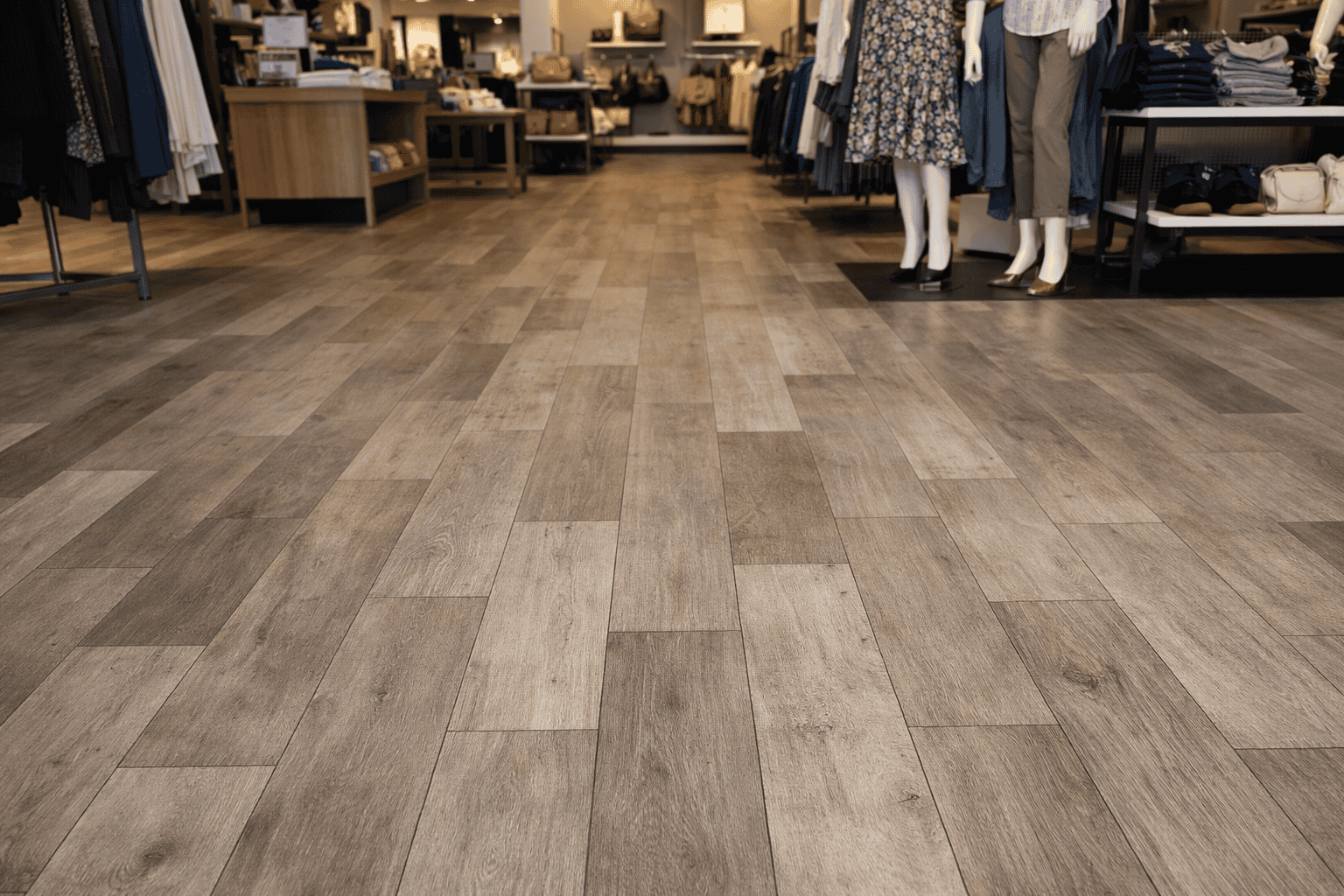
Design realism often shapes first impressions, yet it also affects resale appeal. Many buyers expect a convincing wood or stone look, with consistent colour, believable grain, and minimal pattern repetition. Premium laminate can deliver sharp printed detail and a textured surface that follows the pattern, which helps oak and walnut styles feel more authentic. LVT (luxury vinyl tile) often excels where buyers want a softer, more natural variation, since many ranges use advanced embossing and layered printing to mimic knots, pores, and mineral flecks.
Trends in UK homes currently favour lighter natural oaks, warm mid-tones, and calm greys, while stone looks lean towards limestone and concrete effects. Wider planks and longer board formats can make rooms feel larger, although they can also highlight uneven walls in older properties. Herringbone and parquet styles remain popular for hallways and reception rooms, yet the pattern only looks convincing when the bevels, surface texture, and colour variation feel balanced.
Resale appeal depends on how well the floor suits the property type and the buyer profile. In family homes, a realistic wood look that reads as “timeless” tends to attract more interest than bold colours. In flats, buyers often prioritise a neat, modern finish that complements open-plan layouts. For period homes, a matte finish with subtle texture usually looks more credible than a high sheen, which can appear artificial under strong lighting.
When comparing samples, view them in the room at different times of day and under both natural and artificial light. The British Flooring Association also advises checking slip resistance and suitability for the room, which can influence buyer confidence as much as the visual style.
FAQ
Is LVT better than laminate for UK homes?
Neither option suits every property. LVT often works best where spills, muddy shoes, or pets feature in daily life, since many ranges handle moisture well. Laminate can suit living rooms and bedrooms where you want a warmer feel underfoot and a crisp wood look at a keen price. The right choice depends on room use, subfloor condition, and budget.
Which is cheaper: laminate or LVT?
Laminate usually costs less to buy. Even so, lifetime value can favour LVT in hard-working areas if the floor avoids swelling, edge damage, or early replacement. When comparing quotes, check what the price includes, such as underlay, levelling compound, trims, and removal of old flooring.
Can I fit laminate or LVT over underfloor heating?
Many products suit underfloor heating, yet limits vary by brand and construction. Always follow the manufacturer’s guidance on maximum surface temperature and warm-up times. For reliable advice, use the technical documents from Quick-Step or Karndean, since both publish clear installation requirements.
Does LVT need a perfectly smooth subfloor?
LVT usually needs a flatter base than laminate, especially for thinner click LVT and glued-down formats. Small ridges and dips can “telegraph” through and show as lines or soft spots. A fitter may recommend smoothing compound to protect the finish and keep joints stable.
Which flooring is best for flats and noise control?
Noise performance depends on the full system, not only the surface. Ask for impact sound test data for the chosen underlay and floor, and confirm any building rules. Guidance from Approved Document E helps when sound transfer matters.
How long should laminate and LVT last?
Service life varies with quality, traffic, and care. Expect longer life from thicker wear layers, stable cores, and correct fitting. Warranties can help, yet read exclusions closely, since moisture, subfloor movement, and poor cleaning methods often void cover.